

Manual Therapy: A Crucial Part of Sports Injury Recovery
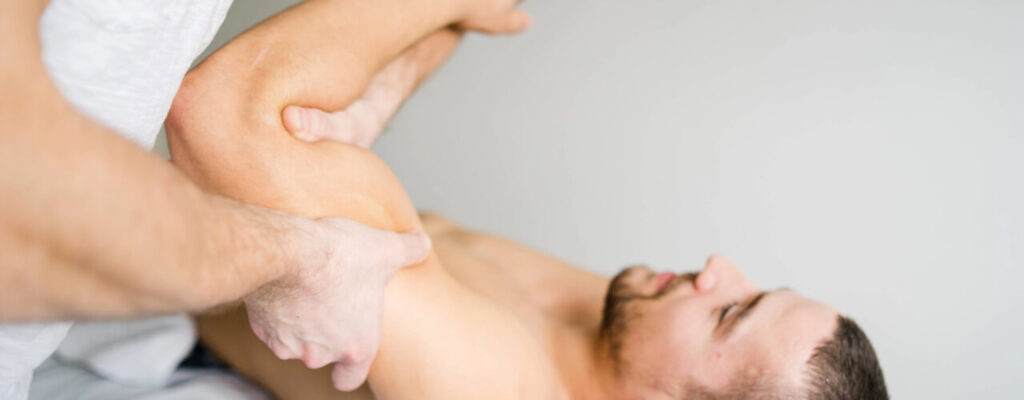
For Mark (not his real name), a 28-year-old recreational soccer player, an awkward fall during a game turned his favorite pastime into a painful challenge. A swollen ankle and sharp pain sidelined him, leaving him struggling to manage even simple tasks like walking. Determined to return to the field, Mark turned to Hope Physical Therapy, where he discovered the transformative power of manual therapy for sports injuries.
This personalized approach didn’t just address his symptoms—it tackled the root causes of his pain, helping Mark rebuild strength, regain mobility, and return to the sport he loved.
When Injury Strikes: The Beginning of Recovery
Sports injuries can feel overwhelming, especially when swelling and pain limit your ability to move. For Mark, the initial days after his injury were frustrating. His swollen ankle made walking difficult, and the surrounding muscles became tight from compensating for the injury. He tried rest and ice at home, but progress was slow and inconsistent.
When Mark arrived at Hope Physical Therapy, he was greeted by a physical therapist who immediately reassured him that recovery was possible. They explained how manual therapy would play a central role in addressing his swelling, improving mobility, and alleviating pain—all while preventing future issues.
Manual Therapy for Sports Injuries: Key Techniques That Make a Difference
Manual therapy for sports injuries is a hands-on approach that uses targeted techniques to support healing, reduce pain, and improve joint function. Mark’s physical therapist incorporated several key methods to address his specific needs:
Swelling Control:
- During the early stages of recovery, swelling can delay healing and restrict movement. Mark’s therapist used gentle lymphatic drainage techniques—a specialized form of massage that improves circulation and helps the body naturally reduce swelling. This allowed his ankle to begin healing more effectively.
Soft Tissue Therapy:
- Muscle tightness often develops around an injured joint, either from guarding the area or overcompensating for reduced mobility. Using techniques like deep tissue massage and trigger point release, the therapist relieved tension in the surrounding muscles. This improved blood flow, reduced discomfort, and prepared the area for further therapy.
Joint Mobilizations:
- Restoring the range of motion is essential after an injury. Mark’s therapist used joint mobilization techniques to move his ankle, reducing stiffness and promoting mobility. These small, controlled movements helped the joint regain its normal function without causing pain.
These manual therapy for sports injuries methods worked together to address Mark’s pain and limitations comprehensively, giving him noticeable relief after each session.
The Turning Point: Progress with Manual Therapy
After just a few sessions, Mark began to see improvements. The swelling in his ankle had significantly reduced, and the pain that once made walking unbearable was now manageable. His therapist introduced more advanced techniques, focusing on strengthening the muscles around his ankle to improve stability and prevent re-injury.
Mark’s confidence grew with each milestone. From walking without a limp to jogging lightly on a treadmill, he began to trust his body again. By the end of his program, Mark was not only back to playing soccer but performing better than before his injury.
Empowering Recovery at Home
While in-clinic therapy made a significant difference, Mark’s therapist emphasized the importance of continuing care at home. To ensure lasting results, they provided a set of actionable strategies:
Gentle Stretching:
- Simple exercises helped Mark maintain flexibility and reduce muscle tightness. These included stretches targeting his calf and ankle to support joint mobility.
Ice and Elevation:
- Mark was reminded to apply ice after high activity levels to alleviate any pain. Keeping the ankle elevated further aided circulation and reduced swelling.
Movement Tips:
- The therapist taught Mark how to move, balance, and distribute weight evenly to avoid overloading his injured ankle during soccer and everyday activities.
These at-home practices complemented his manual therapy for sports injuries sessions, ensuring that his progress continued long after leaving the clinic.
Back in the Game: A Winning Comeback
Thanks to the comprehensive care he received, Mark was able to return to the soccer field stronger and more confident than ever. Manual therapy addressed his pain, restored his mobility, and helped him rebuild trust in his body’s abilities.
Mark’s story illustrates the effectiveness of manual therapy for sports injuries, not just for recovery but for preventing future setbacks. At Hope Physical Therapy, athletes like Mark find tailored care that supports every step of their journey back to peak performance!