

Managing Joint Stiffness With Manual Therapy
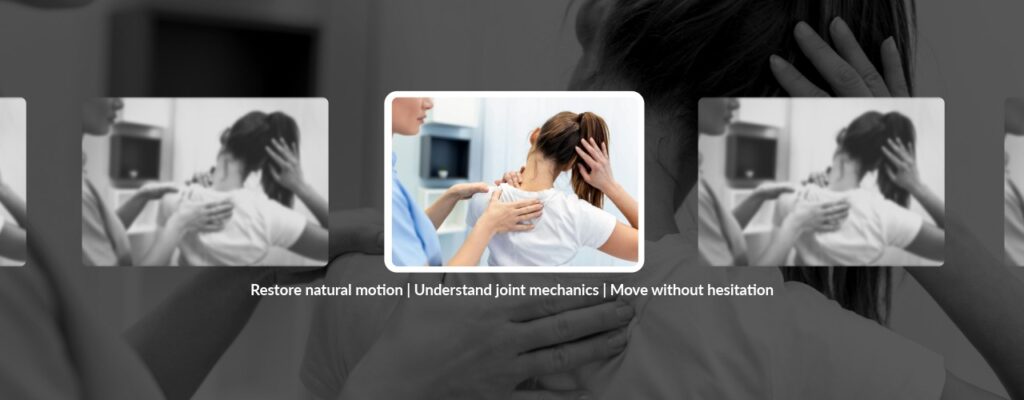
Stiff joints do not just feel uncomfortable. They change how you move through the day. Getting out of a chair takes effort. Turning your head while driving requires more thought than it should. Reaching for something overhead has become something you plan around. Manual therapy for joint stiffness is a hands-on clinical approach that targets the physical restrictions causing those limitations directly. This blog explains what it is, how it works, and what you can realistically expect from care at Hope Physical Therapy.
Hands-On Care Is Not One Size Fits All
Manual therapy is not a single technique. It is a category of clinical skills that a trained clinician selects and applies based on what your evaluation finds. The approach changes depending on which joint is restricted, how stiff it is, and what the surrounding tissue is doing.
Joint mobilization uses carefully graded movements applied directly to a restricted joint. The clinician controls the speed, direction, and force based on how the joint responds. Manipulation uses a precise, quick movement to restore mobility when a joint is not responding to gentler techniques. Soft tissue work targets the muscles, connective tissue, and fascial layers that tighten around a stiff joint over time and limit how freely it can move.
What Is Actually Happening When a Joint Is Mobilized
When a joint becomes restricted, the small internal movements that normally happen inside it during everyday motion are reduced. That changes how the surrounding muscles activate and how load is distributed across the area. Stiffness in one place creates compensation everywhere else.
Manual therapy restores those internal joint movements. Research also shows that hands-on techniques reduce pain sensitivity in the treated area, which makes the movement and exercise that follow more comfortable and more effective. This is why manual therapy for joint stiffness works best as part of a plan that includes active exercise, not as a standalone treatment.
Which Joints Respond Well to This Approach
Manual therapy for joint stiffness is well-suited for several common presentations:
- Lower back stiffness that makes bending, rotating, or getting up from a chair feel restricted
- Neck restriction that limits comfortable head turning during driving or daily tasks
- Hip mobility limitations that change how you walk and add stress to the knee and lower back
- Shoulder stiffness that reduces how far you can reach overhead or behind your back
- Mid-back rigidity that reduces rotational movement and adds load to the neck and shoulders
This is worth being clear about. Hands-on treatment restores mobility. It does not build strength, retrain coordination, or change the daily habits that allowed stiffness to develop in the first place. Those require active exercise and education.
Think of manual therapy as opening a door. Exercise and movement retraining are what walk you through it and keep it open. Patients who receive hands-on treatment without an active follow-through component rarely hold their gains for long.
Exploring Manual Therapy at Hope Physical Therapy
What the Evaluation Is Looking For
The evaluation shapes everything. Before any hands-on work begins, your clinician at Hope Physical Therapy identifies which specific joints are restricted and how they respond to movement testing. The soft tissue around those joints is assessed to determine what is contributing to the restriction beyond the joint itself. Functional movement during tasks like bending, reaching, and walking reveals the compensations that have developed around the stiffness.
What a Treatment Session at Hope Physical Therapy Looks Like
Hands-on joint work comes first, and treatments typically include the following:
- Mobilization or manipulation is applied to the restricted segments identified during assessment. Active movement follows immediately to reinforce the mobility that was just restored.
- Soft tissue work addresses the muscular and connective tissue tension that was limiting joint freedom alongside the articular restriction.
- Progressive exercise targeting the muscles around the treated joint builds the support needed to sustain mobility gains as load increases.
- Education about the positions and habits that are feeding the stiffness gives you the tools to extend what happens in the clinic into the rest of your day.
When Movement Stops Requiring Thought
Manual therapy for joint stiffness is most rewarding not when the treatment feels good in the moment but when the results show up in daily life. When you turn your head without calculating the angle. When you stand up from a chair without bracing. When reaching overhead is simply reaching overhead again.
Contact Hope Physical Therapy to schedule your evaluation and find out what is standing between you and easier movement!