

How Physical Therapy Helps in Rotator Cuff Injury Treatment
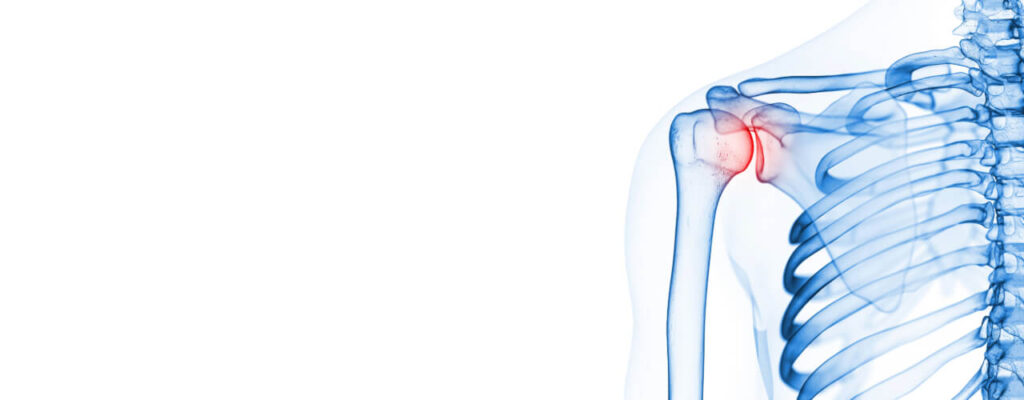
The rotator cuff is essential to shoulder function, yet injuries to this group of muscles and tendons are surprisingly common. Whether caused by repetitive overhead motions, sudden trauma, or the natural wear and tear of aging, rotator cuff injuries can limit mobility and cause persistent discomfort. Activities like lifting groceries, throwing a ball, or even reaching for a shelf can feel challenging and painful. Fortunately, physical therapy at Hope Physical Therapy plays a pivotal role in rotator cuff injury treatment, offering a proactive and personalized approach to recovery.
By addressing the root causes of pain and focusing on restoring strength and mobility, physical therapy helps patients regain confidence in their movement and reduces the risk of future injuries.
Understanding the Rotator Cuff and How Injuries Happen
The rotator cuff consists of four key muscles—supraspinatus, infraspinatus, teres minor, and subscapularis—and their associated tendons. Together, they stabilize the shoulder joint, allowing for smooth, controlled movements like lifting, rotating, and reaching.
Common causes of rotator cuff injuries include:
Repetitive Motions:
- Sports like swimming, tennis, or baseball, as well as occupations requiring frequent overhead movements, can strain the rotator cuff over time.
Acute Trauma:
- A sudden fall, heavy lifting, or a direct blow to the shoulder can lead to tears or sprains.
Age-Related Degeneration:
- As tendons weaken with age, they become more prone to injury, even during low-impact activities.
Rotator cuff injuries often result in pain, reduced mobility, and muscle weakness. Without proper treatment, these issues can lead to chronic discomfort and long-term instability.
Physical Therapy’s Proactive Role in Rotator Cuff Recovery
A proactive approach to rotator cuff injury treatment prioritizes restoring function while minimizing reliance on medications or surgery. Through targeted interventions, physical therapists focus on building a foundation of strength, stability, and mobility.
Key components of therapy include:
Pain Management:
- Techniques like ice application, manual therapy, and gentle movements reduce inflammation and alleviate pain.
Improving Mobility:
- Therapists guide patients through controlled stretching and range-of-motion exercises to restore mobility and ease stiffness.
Strengthening Surrounding Muscles:
- By targeting the deltoids, scapular stabilizers, and core muscles, therapists enhance the shoulder’s overall stability and function, reducing strain on the rotator cuff.
Evidence-Based Techniques in Rotator Cuff Injury Treatment
Physical therapy for rotator cuff injuries incorporates proven methods designed to optimize recovery:
Manual Therapy:
- Hands-on techniques, such as joint mobilizations and soft tissue massage, reduce stiffness and improve circulation around the shoulder. This eases pain and prepares the joint for more active interventions.
Progressive Loading:
- Gradually introducing resistance exercises helps rebuild strength in the rotator cuff and surrounding muscles. Starting with light weights or resistance bands, patients progress to more challenging movements that mimic real-world or athletic demands.
Dynamic Stability Exercises:
- These exercises focus on improving coordination and control of the shoulder joint, enabling patients to return to high-performance or everyday activities with confidence. Techniques like rhythmic stabilization help train the shoulder to handle sudden changes in force or direction.
By following a structured, step-by-step plan, physical therapy supports both immediate recovery and long-term shoulder health.
Why a Proactive Approach Matters
Ignoring or delaying treatment for a rotator cuff injury can lead to chronic instability, ongoing pain, and even compensatory injuries in other parts of the body. A proactive approach addresses the problem early, minimizing complications and setting the stage for a full recovery.
Benefits of early and proactive physical therapy include:
- Preventing further damage to the rotator cuff or surrounding structures.
- Enhancing strength and range of motion to support daily tasks or athletic performance.
- Reducing the likelihood of reinjury by building resilience and stability in the shoulder joint.
This forward-thinking approach is particularly important for athletes and active individuals who rely heavily on their shoulders for performance.
How Hope Physical Therapy Maximizes Recovery
At Hope Physical Therapy, we combine evidence-based rotator cuff injury treatments with sports performance principles to deliver exceptional care for rotator cuff injuries.
Our comprehensive approach includes:
Individualized Assessments:
- Each patient’s goals, activity level, and injury history guide the development of their treatment plan.
Tailored Therapy Programs:
- By combining manual therapy, strength training, and mobility exercises, we address every aspect of recovery.
Education and Empowerment:
- Patients learn safe movement techniques and preventative strategies to protect their shoulders long after therapy ends.
With a focus on proactive care, Hope Physical Therapy helps patients recover faster, stronger, and more confidently.
Strong Shoulders, Stronger Recovery
Rotator cuff injuries don’t have to mean the end of your favorite activities. With the right combination of hands-on care, targeted exercises, and proactive strategies, physical therapy offers a path to lasting recovery.
At Hope Physical Therapy, we’re here to guide you every step of the way. Let us help you take the first step toward effective rotator cuff injury treatment and reclaiming your strength and mobility!